

Support for the Journey
Through Dementia
Compassionate therapy for patients and
caregivers navigating memory loss,
confusion, emotional strain, and
caregiving fatigue—online or in-person.


What Is Dementia?
Dementia Affects the Whole Family
—We’re Here for All of You
Dementia is a progressive condition that impacts memory, behavior, reasoning, and communication. But beyond the diagnosis lies a deeply emotional journey—for both the individual and those who love and care for them.
Common symptoms include:

Memory loss
Mood changes, anxiety, or aggression
Difficulty with reasoning and decision-making
Confusion or disorientation
Wandering or risky behavior
Loss of independence in daily tasks
Diagnosis is overwhelming—but it’s not the end of the story. With the right support, you can create meaningful moments, improve quality of life, and reduce caregiver stress.

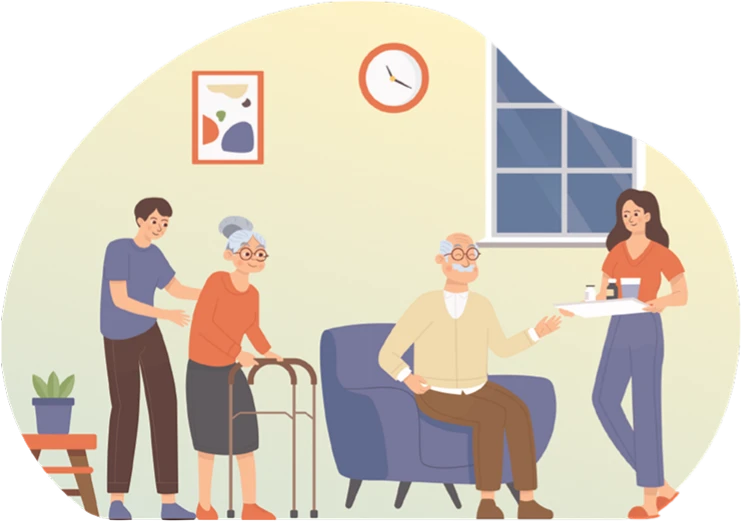
Counseling for Dementia Caregivers
You Can’t Pour From an Empty Cup
If you're caring for someone with dementia, you may feel isolated, emotionally drained, or uncertain about how to cope with their changing needs.
Therapy for caregivers can help you:
Process the grief and emotional toll of “ambiguous loss”
Prevent caregiver burnout and resentment
Gain strategies for difficult behaviors or communication
Set boundaries and ask for help without guilt
Reclaim parts of yourself while continuing to care for your loved one
Sometimes, the best thing you can do for them—is take care of you.
How Therapy Helps Patients With Dementia
Therapy Can Support Patients Too
For individuals in the early stages of dementia, counseling can provide emotional grounding, reduce anxiety, and help maintain mental stimulation and dignity.
Our therapists help patients:
Express their fears, frustration, and confusion
Cope with memory loss and mood changes
Stay mentally and emotionally engaged
Strengthen relationships with loved ones
Maintain routines and autonomy for as long as possible
Even as the disease progresses, the value of compassion, validation, and
emotional care remains.


Why ACT Family Counseling
35+ Years Supporting California Families
Through Life’s Most Difficult Moments
Our therapists are trained to support both patients and caregivers through the
challenges of dementia with empathy, insight, and flexibility.
Why ACT?
Licensed therapists with dementia care experience
Sessions available online or in-person
Phone, video, and secure text counseling options
HIPAA-compliant and fully confidential
Flexible scheduling
Insurance accepted | No long-term commitment
We meet you where you are—emotionally and logistically.
Get the Support You Deserve
You don’t have to do this alone. Let’s help you care with compassion—without losing yourself in the process.
FAQ’s