

STRESS FAMILY COMMUNICATION
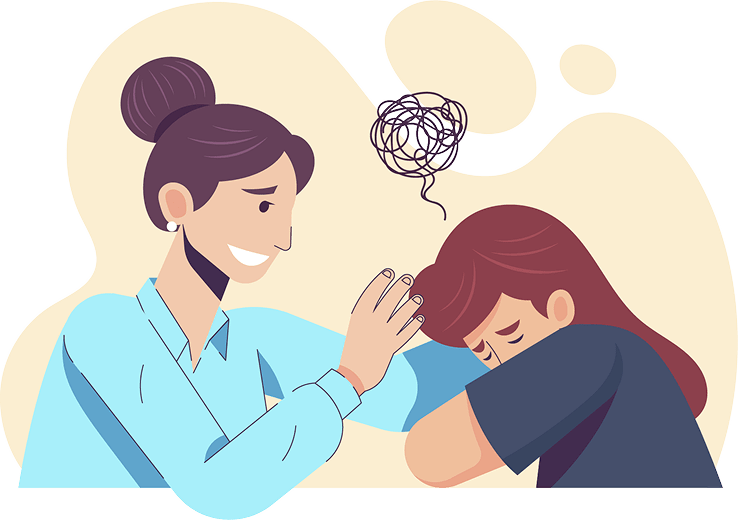

STRESS – The Role of Family Communication in Addressing Stress and Anxiety in Children and Adolescents During Family Counseling
Introduction
Stress and anxiety are significant issues affecting children and adolescents, often stemming from various root causes such as family dynamics, social pressures, and individual psychological factors. Effective family communication plays a crucial role in addressing these issues during family counseling. This protocol developed by ACT Family Counseling outlines the importance of family communication and specific strategies to enhance it, thereby helping to manage stress and anxiety in children and adolescents.
Objective
The primary objective of this protocol is to improve family communication as a means to effectively manage stress and anxiety in children and adolescents. By fostering open, supportive, and constructive communication within the family, we aim to create a nurturing environment that promotes mental health and well-being.
Procedure
1. Initial Assessment and Evaluation
Comprehensive Family Interview Conduct a thorough interview with the entire family to understand the child’s or adolescent’s history, current stressors, and mental health status. This includes gathering information on family dynamics, social support, and any previous mental health treatments.
Stress and Anxiety Assessment Tools Utilize validated assessment tools, such as the Perceived Stress Scale (PSS), the State-Trait Anxiety Inventory (STAI), and the Generalized Anxiety Disorder 7-item (GAD-7) scale, to quantify the level of stress and anxiety and identify specific stressors.
Mental Health Screening Perform a mental health screening to identify any co-occurring disorders, such as depression or substance abuse, that may be exacerbated by stress and anxiety.
2. Developing a Personalized Treatment Plan
Collaborative Goal Setting Work with the family to set realistic and achievable goals for stress and anxiety management. This includes identifying specific stressors and developing strategies to address them.
Evidence-Based Therapeutic Interventions: Incorporate evidence-based therapeutic interventions, such as Cognitive Behavioral Therapy (CBT), Mindfulness-Based Stress Reduction (MBSR), and Acceptance and Commitment Therapy (ACT), to help the family manage stress and anxiety effectively.
Family Involvement: Encourage family involvement in the treatment process, especially for children and adolescents who benefit from family support. Family counseling sessions can help improve communication and reduce stress and anxiety within the family unit.
3. Enhancing Family Communication
Active Listening Teach family members active listening skills, which involve fully concentrating, understanding, responding, and remembering what the speaker says. This helps family members feel heard and valued.
Open Dialogue Encourage open and honest communication within the family. Create a safe space where family members can express their thoughts and feelings without fear of judgment.
Empathy and Validation Foster empathy and validation by encouraging family members to acknowledge and validate each other’s feelings and experiences. This helps build a supportive and understanding family environment.
Conflict Resolution Teach conflict resolution skills to help family members address and resolve conflicts in a constructive manner. This includes techniques such as compromise, negotiation, and finding common ground.
Regular Family Meetings Establish regular family meetings to discuss issues, share updates, and plan activities. This helps maintain open lines of communication and ensures that everyone has a chance to be heard.
4. Implementing Therapeutic Interventions
Cognitive Behavioral Therapy (CBT) Utilize CBT to help family members identify and challenge negative thought patterns and behaviors that contribute to stress and anxiety. This includes cognitive restructuring, behavioral activation, and problem-solving skills training.
Mindfulness-Based Stress Reduction (MBSR) Introduce MBSR techniques, such as mindfulness meditation, deep breathing exercises, and body scan practices, to help family members develop a greater awareness of their thoughts and emotions and reduce stress reactivity.
Accept Create Choice, take Action. (ACT), Use ACT to help family members accept their thoughts and feelings without judgment and commit to actions that align with their values. This includes values clarification, acceptance exercises, and mindfulness practices.
5.Ongoing Support and Monitoring
Regular Follow-Up Sessions Schedule regular follow-up sessions to monitor progress, adjust the treatment plan as needed, and provide ongoing support. This helps ensure that family members remain on track and continue to make progress in managing their stress and anxiety.
Patient Education and Resources Provide family members with educational materials and resources on stress and anxiety management, including handouts, articles, and recommended readings. This empowers family members to take an active role in their own stress and anxiety management.
Community and Support Groups Encourage family members to participate in community and support groups, where they can connect with others who are facing similar challenges and gain additional support and resources.
6. Addressing Specific Stressors and Comorbidities
Chronic Illness and Pain Management
For families dealing with chronic illnesses or pain, incorporate pain management techniques and work with healthcare providers to develop a comprehensive treatment plan that addresses both physical and mental health needs.
Anxiety and Depression For family members with anxiety and depression, utilize targeted interventions, such as exposure therapy and antidepressant medications, in conjunction with stress and anxiety management techniques to address both conditions simultaneously.
Social and Environmental Factors Address social and environmental factors that contribute to stress and anxiety, such as financial burden, social isolation, and lack of support. Work with families to develop strategies to improve their social support network and reduce stressors in their environment.

7. Evaluating Treatment Outcomes
Outcome Measures Use validated outcome measures, such as the GAD-7 scale and the PHQ-9, to evaluate treatment outcomes and track progress over time.
Patient Feedback Regularly solicit feedback from family members to ensure that they are satisfied with the treatment process and that their needs are being met. This helps build trust and rapport between the therapist and family.
Continuous Improvement
Continuously evaluate and improve the treatment protocol based on family feedback, outcome data, and new research findings. This ensures that the protocol remains effective and up-to-date.
Conclusion
By following this protocol, ACT Family Counseling Services can ensure a compassionate and effective approach to stress and anxiety management in children and adolescents through family counseling. Through comprehensive assessment, personalized treatment planning, evidence-based interventions, ongoing support, and continuous improvement, we can help families manage stress and anxiety, improve their mental health outcomes, and enhance their overall well-being. Our commitment to providing high-quality care and support ensures that families receive the compassionate and effective treatment they deserve.
If any of this sounds like your situation, our the ways we work is where this work actually happens. We see people in person at our offices in Ontario, Rancho Cucamonga, Redlands, Huntington Beach and Newport Beach, and by telehealth anywhere in California.
We are contracted with Kaiser Permanente, Aetna, Cigna, Anthem Blue Cross, Blue Shield of California, Health Net, TRICARE and Optum among others — see the plans we are contracted with. Our staff confirms your benefits before your first session.
Request an intake appointment or contact us with a question first — either is a normal way to start.
Clinical content reviewed by Nicholas Fittante, Licensed Marriage and Family Therapist (LMFT #27161).
This article is for general information and is not a substitute for individual clinical advice, diagnosis or treatment.
If you are in crisis or thinking about harming yourself, call or text 988 (Suicide & Crisis Lifeline) or go to your nearest emergency room.