
How to Cope with Extreme Anxiety
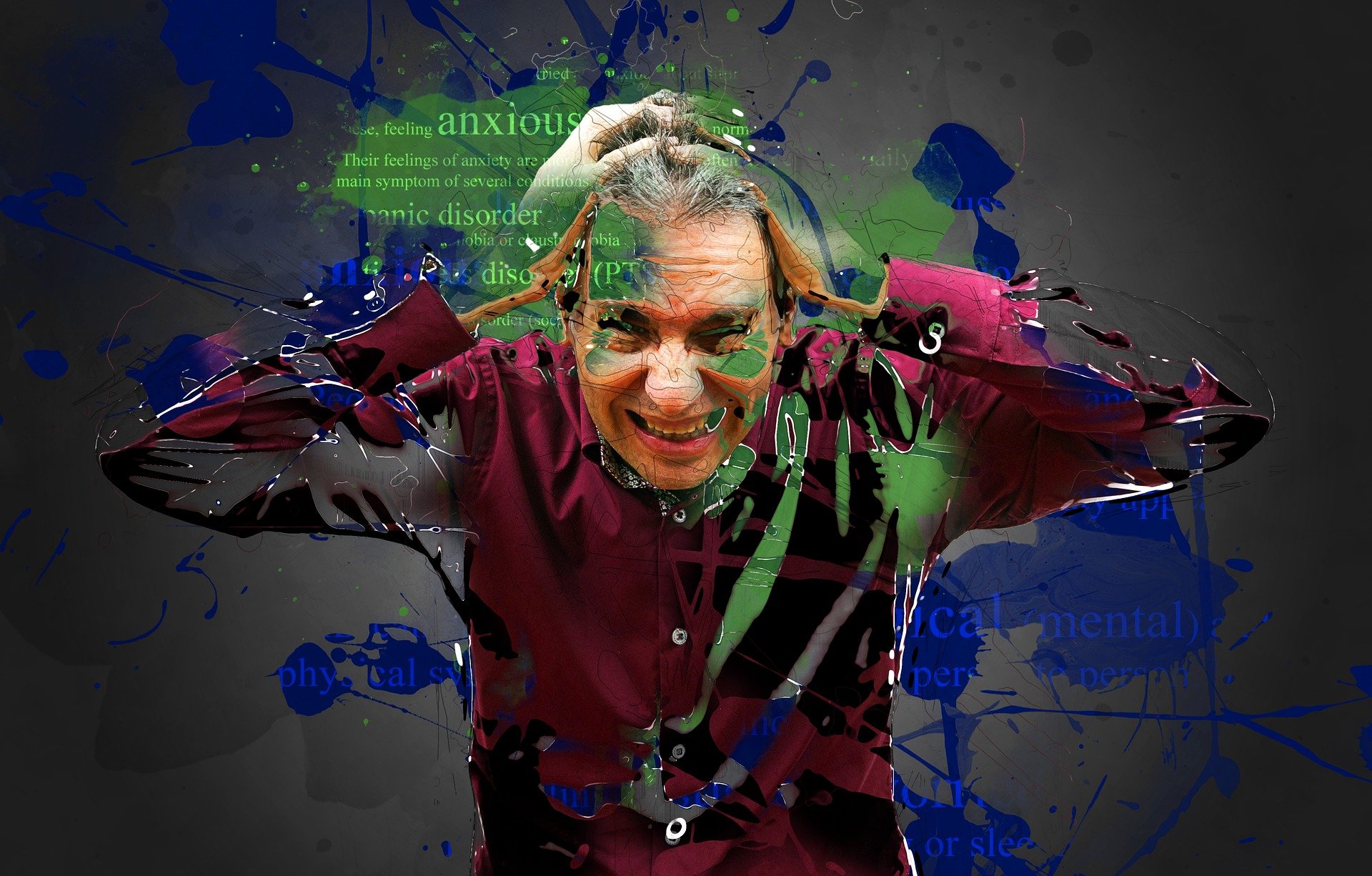
How to Cope with Extreme Anxiety Anxiety is one of the most common mental health challenges on the planet, with billions of people each year citing anxiety as a difficulty that they must navigate on a day-to-day basis. While getting support from an in-person or online anxiety therapist is a great way to help work through your anxiety symptoms, for many people it can be a challenge to distinguish between the regular anxiety that people feel in their day-to-day lives, or what might be a more all-encompassing anxiety disorder.
Our team highlights how to pinpoint extreme anxiety in the form of anxiety disorders, signs and symptoms, and how to find support. Normal Anxiety vs Anxiety Disorders Anxiety is part of your body’s natural response system, and functions as part of the regular response to stressful situations. However, anxiety becomes less of a normal bodily response and more of a barrier to day-to-day life in its more extreme form of an anxiety disorder. Living with an anxiety disorder can be a serious impediment to normal functioning, and as such, it’s important to recognize whether or not your anxiety spells are prolonged (more than 2 weeks) or particularly severe in the symptoms you exhibit. Types of Extreme Anxiety There are a number of different types of anxiety disorders, many of which a trained mental health professional can help you pinpoint if you’re experiencing prolonged or extreme anxiety. Some of these include but are not limited to Generalized Anxiety Disorder, Panic Disorder, Post-Traumatic Stress Disorder, Social Anxiety Disorder, and Obsessive-Compulsive Disorder. While these types may differ in terms of specific triggers or context, there are many overlapping signs and symptoms that are experienced both physically and mentally which tie them together as types of anxiety disorders. Recognizing the Signs People dealing with an anxiety disorder might experience some of these common symptoms:
- Rapid heart rate
- Increased breathing rate or shortness of breath
- Sweating or shaking
- Extreme fear or worry disproportionate to the actual situation
- Withdrawal from social situations
- Feelings of anger or irritability
- Difficulty sleeping
- Stomach aches, digestive problems, or loss of appetite
- Challenges doing everyday life tasks and difficulty concentrating
- Panic Attacks
Finding Support If you or a loved one is dealing with an anxiety disorder, the most important thing to do is to seek help from a trained mental health expert who is experienced in anxiety treatment. If you’re looking for some support, get in touch with our amazing staff at ACT Teletherapy. We will work with you to ensure you have the right treatment plan to fit your needs.
If any of this sounds like your situation, our anxiety counseling is where this work actually happens. We see people in person at our offices in Ontario, Rancho Cucamonga, Redlands, Huntington Beach and Newport Beach, and by telehealth anywhere in California.
We are contracted with Kaiser Permanente, Aetna, Cigna, Anthem Blue Cross, Blue Shield of California, Health Net, TRICARE and Optum among others — see the plans we are contracted with. Our staff confirms your benefits before your first session.
Request an intake appointment or contact us with a question first — either is a normal way to start.
Clinical content reviewed by Nicholas Fittante, Licensed Marriage and Family Therapist (LMFT #27161).
This article is for general information and is not a substitute for individual clinical advice, diagnosis or treatment.
If you are in crisis or thinking about harming yourself, call or text 988 (Suicide & Crisis Lifeline) or go to your nearest emergency room.