

Early Signs of Dementia, and the 7 A’s That Explain the Rest
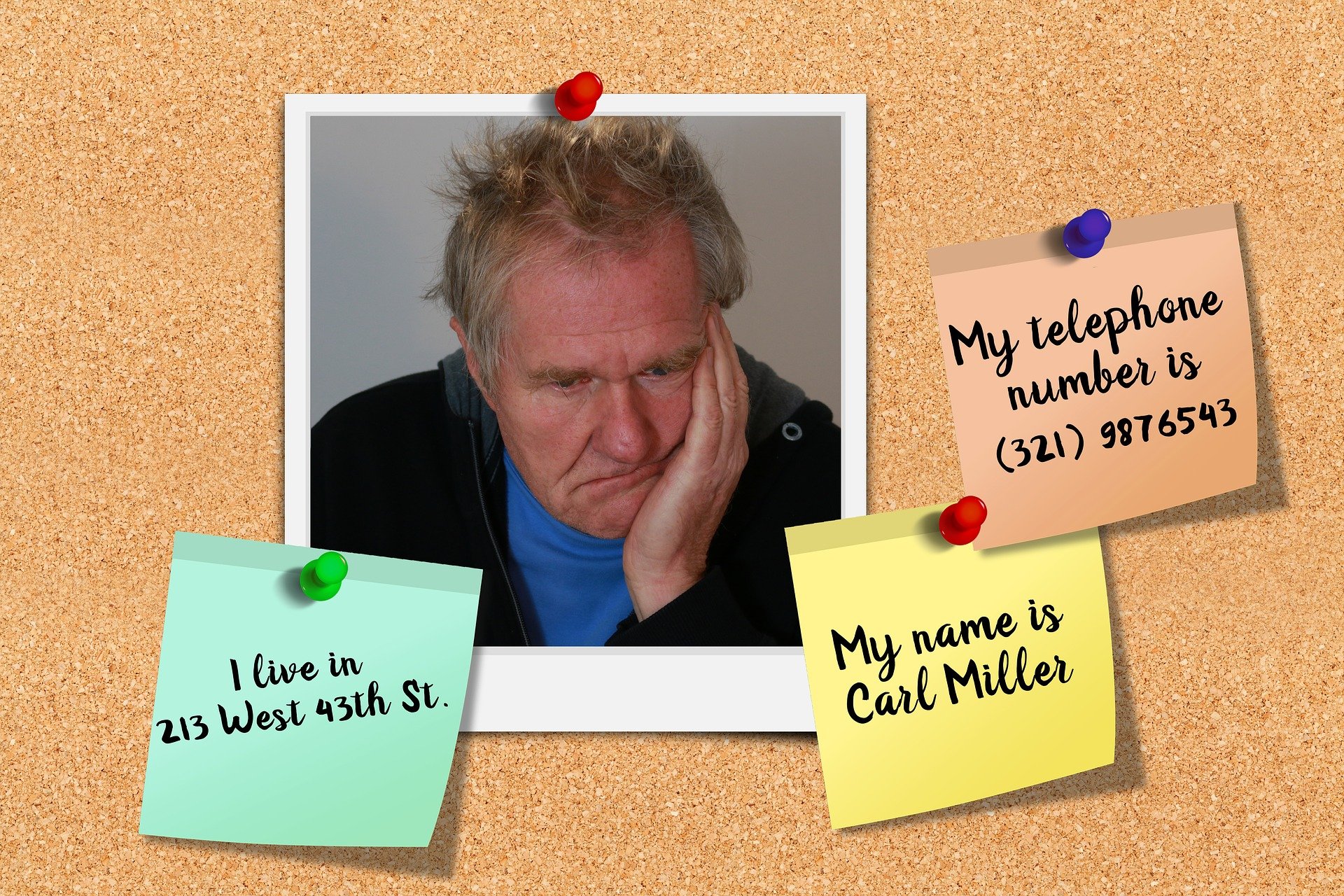
Families rarely notice dementia beginning. They notice it in hindsight — the missed appointment last spring, the story told twice at Christmas, the road they drove for thirty years and briefly could not place. This is a guide to the early signs of dementia, what separates them from ordinary ageing, and then a practical framework for the years that follow: the seven “A’s” that explain most of the behaviour families find hardest to understand.
Early signs of dementia
The first signs of dementia are usually subtle and are almost never only about memory. What families report to us most often:
- Repeating questions or stories within the same conversation
- Losing the thread of a sentence, or reaching for common words
- Difficulty with familiar sequences — a recipe, a bank transfer, a route
- Poor judgement about money, or unusual susceptibility to a scam call
- Withdrawing from hobbies and company that used to matter
- Uncharacteristic irritability, suspicion or flatness
- Misplacing things in strange locations, and being unable to retrace
Ordinary ageing, or something else
Forgetting a name and recalling it an hour later is ordinary. So is walking into a room and losing the reason. The distinction clinicians look for is not forgetfulness but interference: whether the difficulty is affecting the ability to manage day-to-day life, and whether it is progressing. Ordinary age-related change is stable and works around itself. Dementia advances, and the workarounds stop working.
It also matters that several conditions imitate dementia and are treatable — thyroid problems, B12 deficiency, medication interactions, infection, and depression, which in older adults can look strikingly like cognitive decline. That is a medical assessment, and it is worth doing early rather than assuming the worst.
Types of dementia
“Dementia” is an umbrella, not a diagnosis. Alzheimer’s disease is the most common form and typically begins with memory. Vascular dementia often arrives more stepwise, following small strokes. Lewy body dementia brings visual hallucinations and marked fluctuation between good days and bad. Frontotemporal dementia frequently changes personality and behaviour before it touches memory at all, which is why it is so often mistaken for a midlife crisis or a psychiatric problem. The types of dementia differ enough that knowing which one you are dealing with genuinely changes what to expect.
When it comes to dealing with a friend or loved one with dementia, each day can be a struggle. However, with the right understanding and coping tools, it doesn’t have to be. Understanding how your loved one sees the world as their disease progresses can help make it easier to provide them with the care they need and cope with the unexpected. In addition to seeking dementia counseling, there are some things you can do to make caring for dementia patients easier for both them and you. One of the best positive strategies is to familiarize yourself with the seven “A’s” of dementia, which the team from ACT Teletherapy has collected for you here!
Aphasia
This refers to your loved one’s ability to communicate, in particular how they speak and understand language as well as reading and writing. If you find your dementia patient having trouble understanding you or using inappropriate words or ones that don’t make any sense, it’s likely they’re suffering from a bout of aphasia. Some important care strategies for such a scenario include speaking slowly and making certain you give your loved one ample time to respond to what you’re saying. Additionally, by using visual cues and gestures and avoiding sudden movements you can make it easier for them to understand you. Lastly, pay attention to non-verbal cues your patient gives you that could indicate they’re in pain.

Amnesia
Amnesia is a form of memory loss that occurs in many dementia patients. Early on, it will affect their short-term memory and eventually their long-term memory as well. This might cause them to repeat things or latch on to a particular memory or anecdote. They can also find too much new information overwhelming, forget loved ones, and lose their sense of time. Although amnesia is one of the stages of dementia many find particularly heartbreaking, you can lessen its impact by speaking slowly and using clear sentences, being patient, repeating yourself when necessary, and keeping photos of family and friends around to jog their memory.
Anosognosia
Often misunderstood as embarrassment, stubbornness, or even denial, anosognosia is when a dementia patient is actually suffering from brain damage, making it extremely difficult for them to recognize their condition. This can change on a daily, and even hourly basis. Unfortunately, this can result in them becoming frustrated, refusing treatment, or becoming defensive. When your loved one is suffering from anosognosia the best way to help them deal with it is to make changes to their daily routine to help them live safely. Try to pick and choose your battles and let things go that aren’t immediate safety issues.
Apraxia
Apraxia is when dementia patients begin experiencing loss of motor function and coordination. Unfortunately, this can result in a number of issues, making it more difficult for them to use phones, remote controls, and even dress, bathe, and walk. It can often lead to embarrassment and refusal to do specific things because they find them difficult or no longer know how. But apraxia can be easily dealt with by breaking down tasks into more specific, smaller steps. You can use pictures to illustrate certain tasks or set out their clothes for them each morning. Additionally, investing in clothing with zippers and Velcro rather than buttons will help make their apraxia easier to manage.
Agnosia
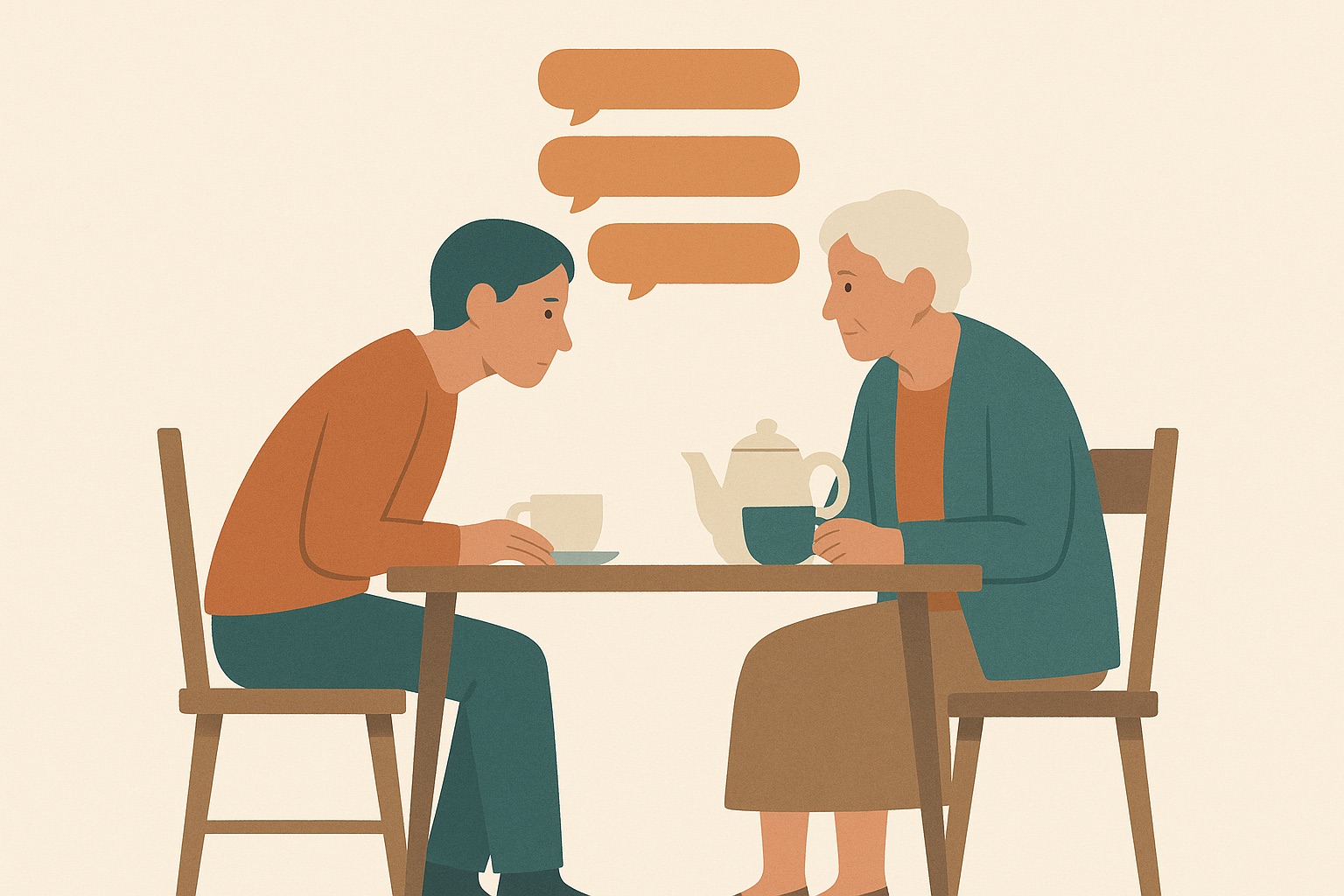
This symptom of dementia affects the ability to recognize people or certain objects. This can quickly lead to issues if one’s not careful. For example, dementia patients might burn themselves while drinking tea or coffee because they might not recognize it’s hot or let someone into the home that’s not supposed to be there because they think they’re someone else. To combat agnosia, be sure to always introduce yourself or other caretakers every day. Demonstrating how different objects are used can also be beneficial, in addition to storing dangerous items out of sight and labeling how to use more complicated items like appliances.
Apathy
Dementia can also affect the brain’s motivational processes, leading to patients becoming apathetic and losing interest in their lives or those around them. Apathy can also cause dementia patients to suffer from energy loss and show little emotional response to big life events, both positive and negative. Some of the ways to deal with apathy in your loved one is by helping to make certain activities a habit, such as time with friends or scheduled outings. You can also try to do more things they’ll enjoy, like spending time with family.
Altered Perception
This symptom of dementia can be difficult and lead to dementia patients struggling to determine specific things about their environment, such as how near, high, deep, or long things are. This will make it more difficult for them to move around at home each day. It can also lead to delusional thinking and paranoia. To minimize the effects of altered perception, have your loved one’s eyes checked on a regular basis and do your best to convince them that what they see or perceive isn’t the way their environment actually is in reality. You can further solidify this by demonstrating to them certain things, like placing your foot in the bathtub to show them it’s not too deep. Contact us today for dementia counseling and more! If you have a loved one struggling with dementia, contact the team from ACT Teletherapy today online or call (442) 255-4411 for convenient and private dementia counseling. com/addiction/”>addiction, PTSD, depression, and more so contact us now!
If any of this sounds like your situation, our dementia counseling is where this work actually happens. We see people in person at our offices in Ontario, Rancho Cucamonga, Redlands, Huntington Beach and Newport Beach, and by telehealth anywhere in California.
We are contracted with Kaiser Permanente, Aetna, Cigna, Anthem Blue Cross, Blue Shield of California, Health Net, TRICARE and Optum among others — see the plans we are contracted with. Our staff confirms your benefits before your first session.
Request an intake appointment or contact us with a question first — either is a normal way to start.
Clinical content reviewed by Nicholas Fittante, Licensed Marriage and Family Therapist (LMFT #27161).
This article is for general information and is not a substitute for individual clinical advice, diagnosis or treatment.
If you are in crisis or thinking about harming yourself, call or text 988 (Suicide & Crisis Lifeline) or go to your nearest emergency room.