

Signs of Depression: What to Look For and When to Get Help
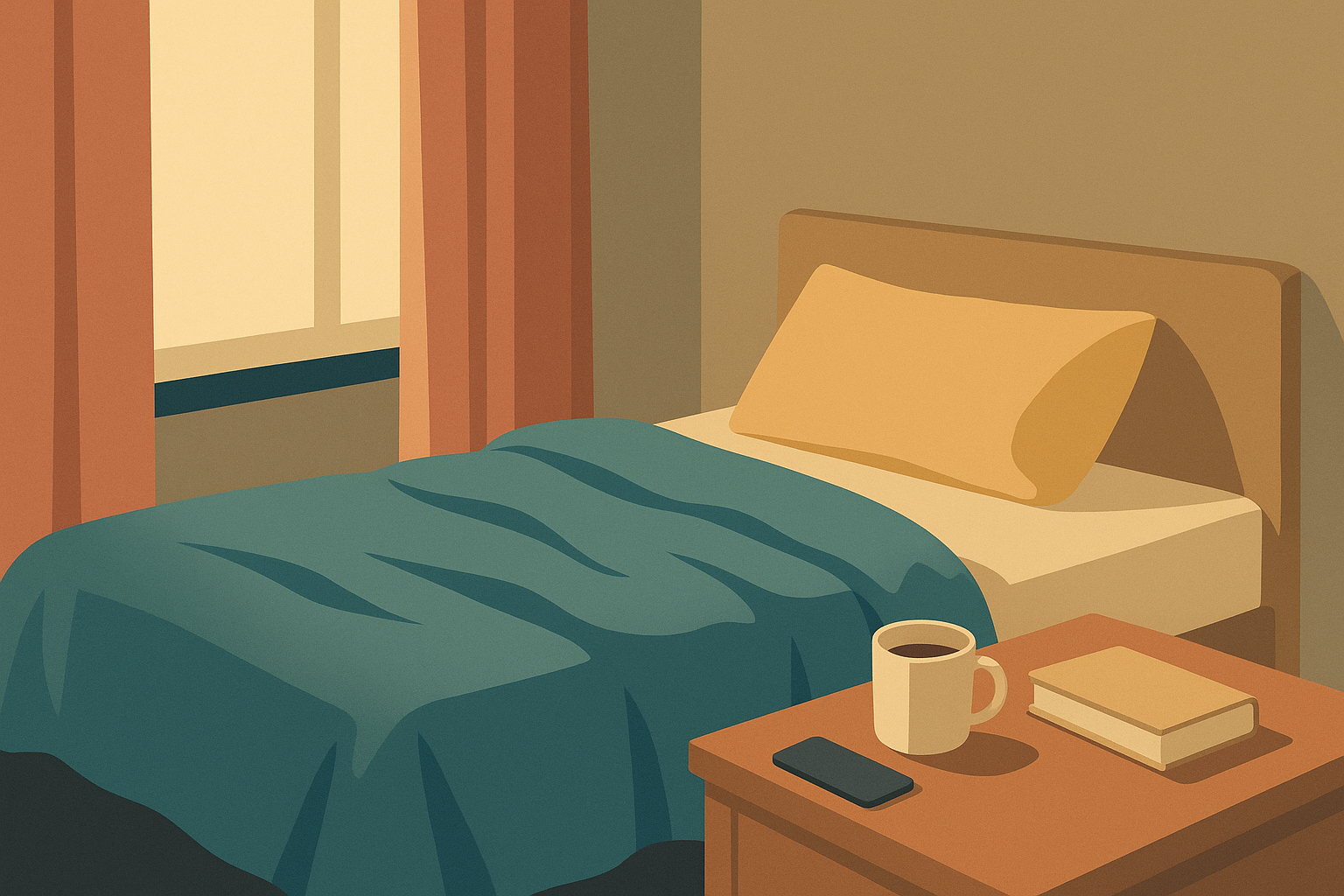
Depression is one of the most common reasons people come to therapy, and one of the hardest to spot in yourself. It rarely announces itself. More often it shows up as a slow narrowing — you stop replying to messages, the things you used to like stop landing, mornings get heavier. This is a guide to the signs of depression, what the different types look like, and when it is worth talking to someone.
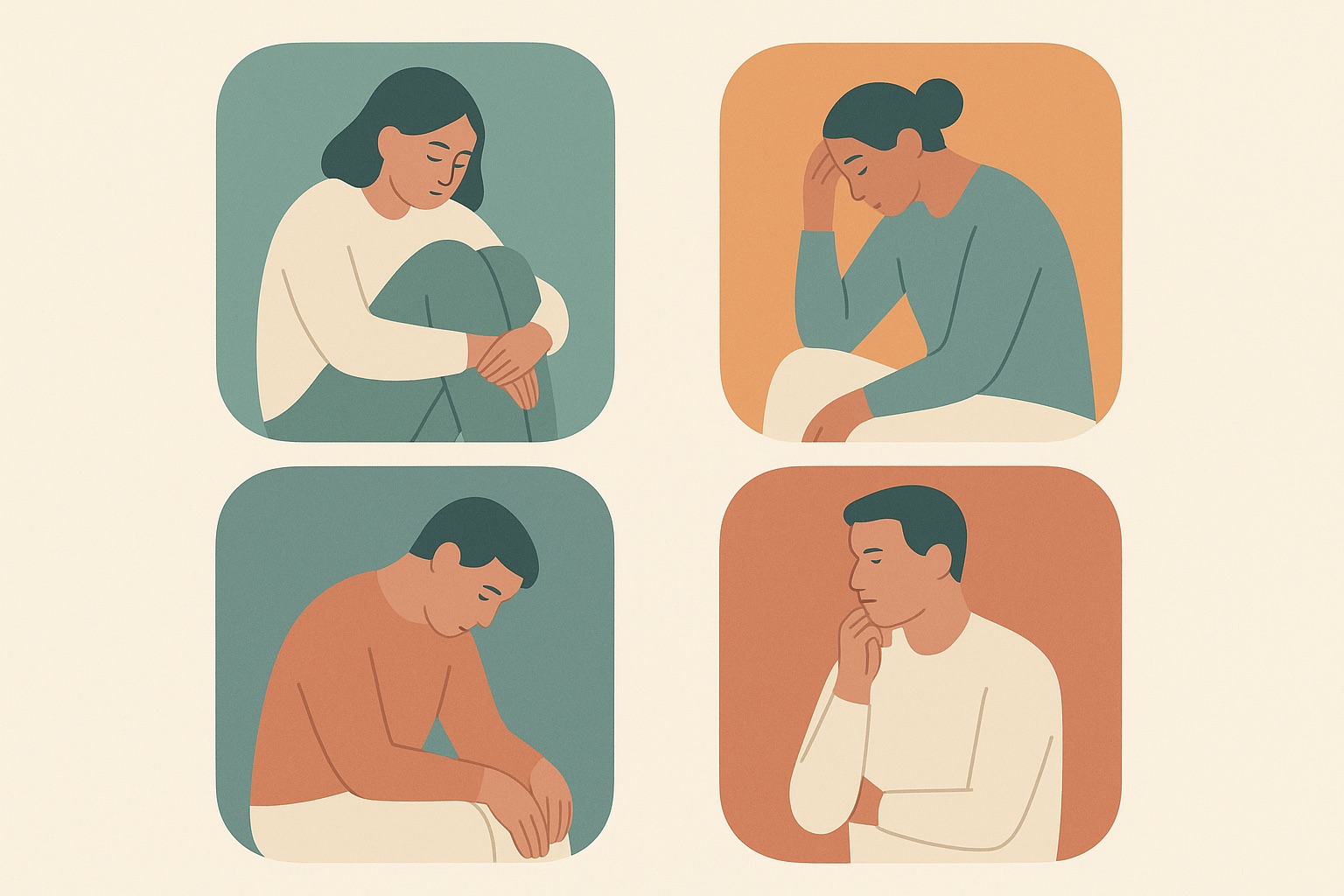
What depression actually is
Most people go through stretches of sadness, worry or loneliness. Depression is different in duration and in reach. A clinician looks for symptoms that have been present most of the day, nearly every day, for at least two weeks, and that are interfering with how you function — not just how you feel. It affects sleep, appetite, memory and concentration as much as mood.
The most common signs of depression
The symptoms of depression vary a lot between people, and there is no checklist that fits everyone — you do not need all of these to be struggling. These are the ones that come up most often:
- Losing interest in things you used to look forward to
- Sleeping far more or far less than usual, or waking very early
- Appetite changes in either direction
- Difficulty concentrating, or decisions feeling disproportionately hard
- Feeling hopeless, worthless, or guilty about things that are not your fault
- Pulling away from people, including the ones you like
- Fatigue that rest does not lift
- Physical symptoms — headaches, stomach trouble, aches without a clear cause
If you are asking yourself am I depressed, that question is itself worth taking seriously. It is a reasonable thing to bring to a first appointment, and you do not need to arrive with an answer.
Types of depression
Major depressive disorder
The most recognised form: symptoms severe enough to interfere with daily life, lasting two weeks or longer. It can happen once or recur.
Persistent depressive disorder
A lower-grade depression that runs for two years or more. Because it becomes the normal weather, people often do not recognise it as an illness at all.
High functioning depression
Work still gets done, the school run still happens, and from the outside nothing looks wrong. High functioning depression is one of the most commonly missed presentations, precisely because holding it together is read as being fine.
Seasonal and postpartum depression
Some depression follows a seasonal pattern, arriving with shorter days. Postpartum depression affects a significant share of new parents and is far more common than most people are told.
What causes depression
The causes of depression are rarely singular. Genetics, brain chemistry, long-term stress, grief, illness, isolation and life events all contribute, and they interact. This matters practically: it means depression is not a failure of effort or character, and it is not something to be reasoned out of on your own.

When to get help
A useful threshold: if it has been most days for a couple of weeks, or if it is affecting your work, your sleep or your relationships, it is worth a conversation. You do not need to be at a crisis point to justify an appointment, and waiting rarely makes the work shorter.
Left alone, depression tends to deepen and narrow life further. Treated, it responds well — this is one of the most treatable conditions in mental health.
How depression therapy works here
Our therapists work in cognitive behavioral therapy (CBT), DBT therapy, and EMDR where trauma is part of the picture. Which one fits is a conversation at intake rather than something decided before you arrive. Sessions are weekly to begin with, and there is no minimum commitment.
The first session is mostly listening — what brought you in, what you have already tried, and what you would like to be different. Nothing is decided in the first hour.
You can read more about depression counseling at ACT Family Counseling, or about the types of therapy we offer.
Talk to someone
We see people in person at our offices in Ontario, Rancho Cucamonga, Redlands, Huntington Beach and Newport Beach, and by telehealth anywhere in California.
We are contracted with Kaiser Permanente, Aetna, Cigna, Anthem Blue Cross, Blue Shield of California, Health Net, TRICARE and Optum among others — see the plans we are contracted with. Our staff confirms your benefits before your first session.
Request an intake appointment, or contact us with a question first — either is a normal way to start.
Clinical content reviewed by Nicholas Fittante, Licensed Marriage and Family Therapist (LMFT #27161).
This article is for general information and is not a substitute for individual clinical advice, diagnosis or treatment.
If you are in crisis or thinking about harming yourself, call or text 988 (Suicide & Crisis Lifeline) or go to your nearest emergency room.