
Symptoms of Anxiety: What to Look For, in the Body and the Behaviour
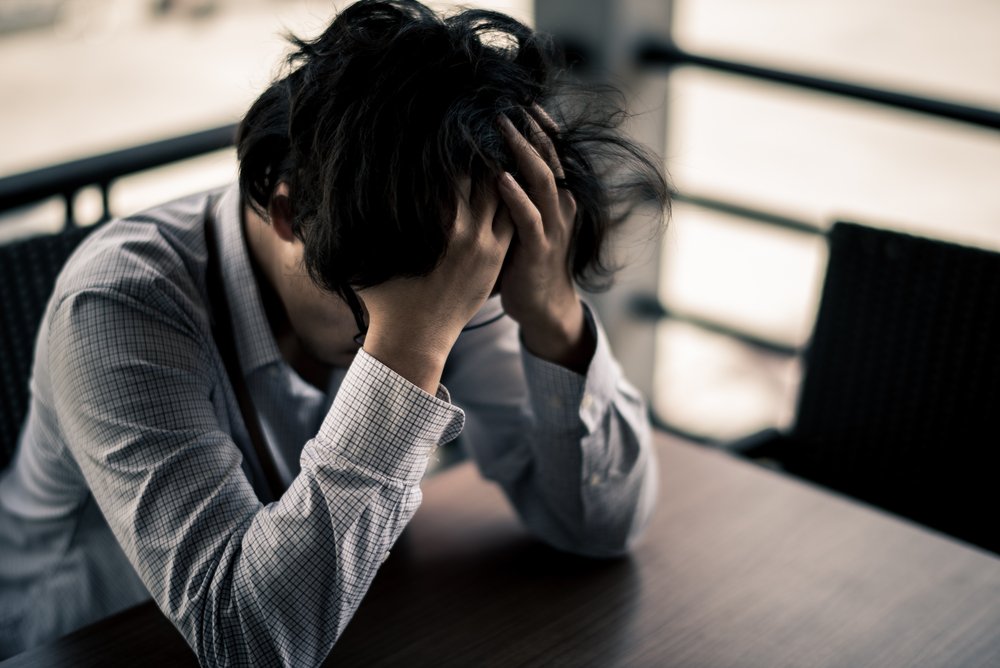
Anxiety is easy to name and surprisingly hard to recognise in yourself. Most people expect it to feel like worry, and are caught off guard when it turns up as stomach trouble, a short temper, or three months of poor sleep. This is a plain guide to the symptoms of anxiety — physical, mental and behavioural — what tends to cause them, and the point at which normal nerves have become something worth treating.
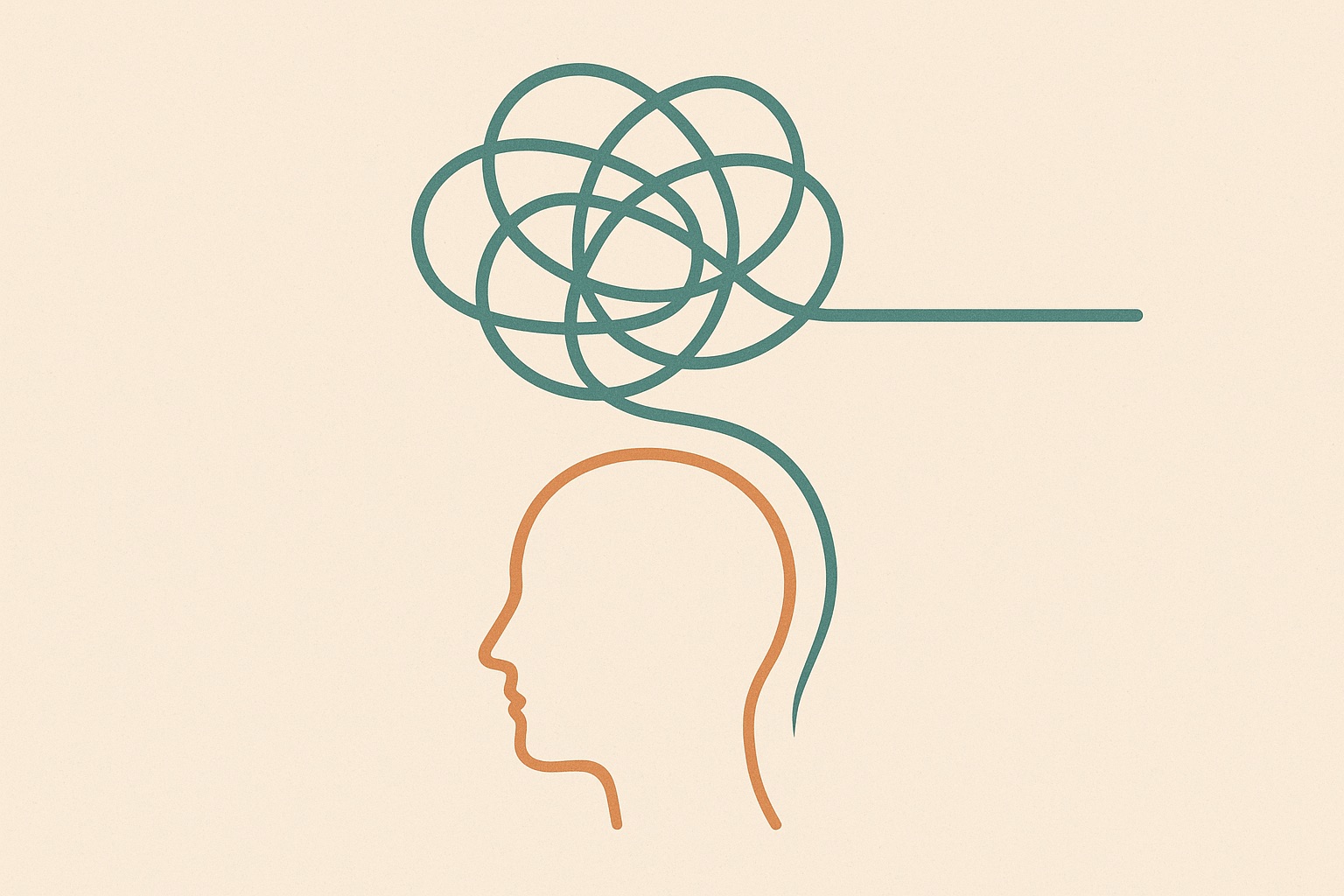
Anxiety is a body response first
Your threat system does not distinguish between a car swerving at you and a meeting on Thursday. It readies you for both the same way: heart rate up, breathing shallow and fast, muscles tense, digestion shut down, senses sharpened. That is useful for about ninety seconds and exhausting for a month. Nearly every one of the anxiety symptoms below is that system running when nothing needs escaping.
Physical symptoms
- Racing or pounding heart, or a sense of skipped beats
- Tight chest and shallow, quick breathing
- Stomach trouble — nausea, cramping, urgent or unsettled digestion
- Jaw, neck and shoulder tension, and headaches that follow it
- Trembling hands, restless legs, an inability to sit still
- Sweating, hot face, or feeling cold and shivery
- Exhaustion that sleep does not repair
These are the ones that send people to a physician first, and that is a reasonable order to do things in — a racing heart deserves to be checked properly before it is called anxiety.
Mental and emotional symptoms
- Worry that runs on regardless of evidence, and jumps to a new subject when one is resolved
- Rehearsing conversations before and after they happen
- A sense of dread with no clear object attached to it
- Difficulty concentrating, or losing the thread mid-sentence
- Irritability — one of the most commonly missed signs of anxiety, particularly in men and in teenagers
- Feeling detached, or that the room is slightly unreal
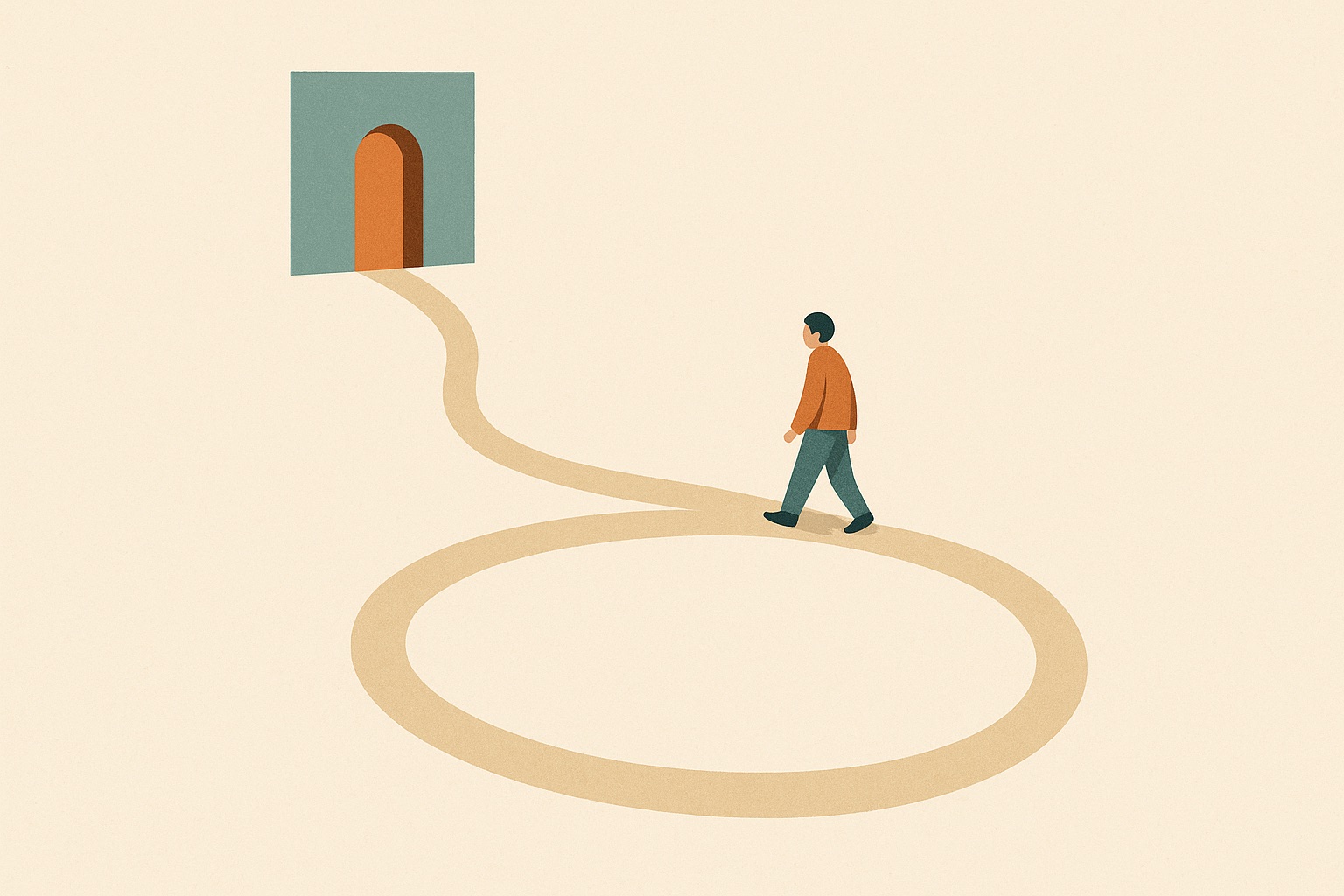
Behavioural symptoms: what anxiety makes you do
This is the cluster people notice last and that matters most, because avoidance is what turns anxiety from an unpleasant feeling into a shrinking life. Declining invitations. Taking the long route. Leaving the reply in drafts. Over-preparing far past the point of usefulness. Checking, re-checking, and seeking reassurance. Each of these works beautifully in the short term, which is exactly the trouble — relief now teaches the brain that the threat was real, and next time is harder.
What causes anxiety
There is rarely one cause. What we see most often is a combination: a genetic tendency toward a reactive threat system, a period of sustained stress, disrupted sleep, caffeine and alcohol, medical contributors such as thyroid problems, and sometimes an earlier experience that taught the system to stay switched on. Knowing what causes anxiety in your particular case is useful, but it is not a prerequisite for treating it — anxiety responds to treatment whether or not you can name its origin.
When it becomes a disorder
Anxiety is normal and often useful. Clinicians start considering an anxiety disorder when the worry is difficult to control, has been present most days for six months or more, and is costing you something real — work, sleep, relationships, or the things you would otherwise do. That is roughly the threshold for generalised anxiety, and it is a threshold about interference, not intensity. Plenty of people who function well are still spending enormous energy to do it.
Two things worth saying plainly. Anxiety and depression arrive together often enough that it is worth reading the signs of depression too. And if you want something to do in the meantime, our guide to grounding techniques for anxiety covers what actually helps in the moment.
If you recognised the avoidance list above, that is the part worth treating, and it responds well. Request an intake appointment with ACT Family Counseling, in person in Southern California or by telehealth anywhere in California.
Getting it treated
Anxiety is among the most treatable things we see. The work is usually some combination of understanding your own pattern, learning to stay with discomfort rather than escape it, and gradually re-entering what avoidance has closed off. Our anxiety counseling uses evidence-based approaches including CBT and exposure work, and our therapists include clinicians who work with anxiety, panic and phobias. We do not provide psychological testing; where a formal assessment is needed, we will refer you to someone who does.
We see people in person at our offices in Ontario, Rancho Cucamonga, Redlands, Huntington Beach and Newport Beach.
We are contracted with Kaiser Permanente, Aetna, Cigna, Anthem Blue Cross, Blue Shield of California, Health Net, TRICARE and Optum among others — see the plans we are contracted with. Our staff confirms your benefits before your first session.
Request an intake appointment or contact us with a question first — either is a normal way to start.
Clinical content reviewed by Nicholas Fittante, Licensed Marriage and Family Therapist (LMFT #27161).
This article is for general information and is not a substitute for individual clinical advice, diagnosis or treatment.
If you are in crisis or thinking about harming yourself, call or text 988 (Suicide & Crisis Lifeline) or go to your nearest emergency room.