

Bipolar Disorder Symptoms: What to Look For, and How to Help

Bipolar disorder is one of the most misunderstood diagnoses in mental health, partly because the word “bipolar” has drifted into everyday speech to mean moodiness. It is not moodiness. The bipolar disorder symptoms that clinicians look for arrive in episodes that last days or weeks, change how a person sleeps and thinks, and often look nothing like the person you know. This is a guide to what those episodes actually involve, how the two main types differ, and what genuinely helps if someone you love has been diagnosed.
What bipolar disorder is
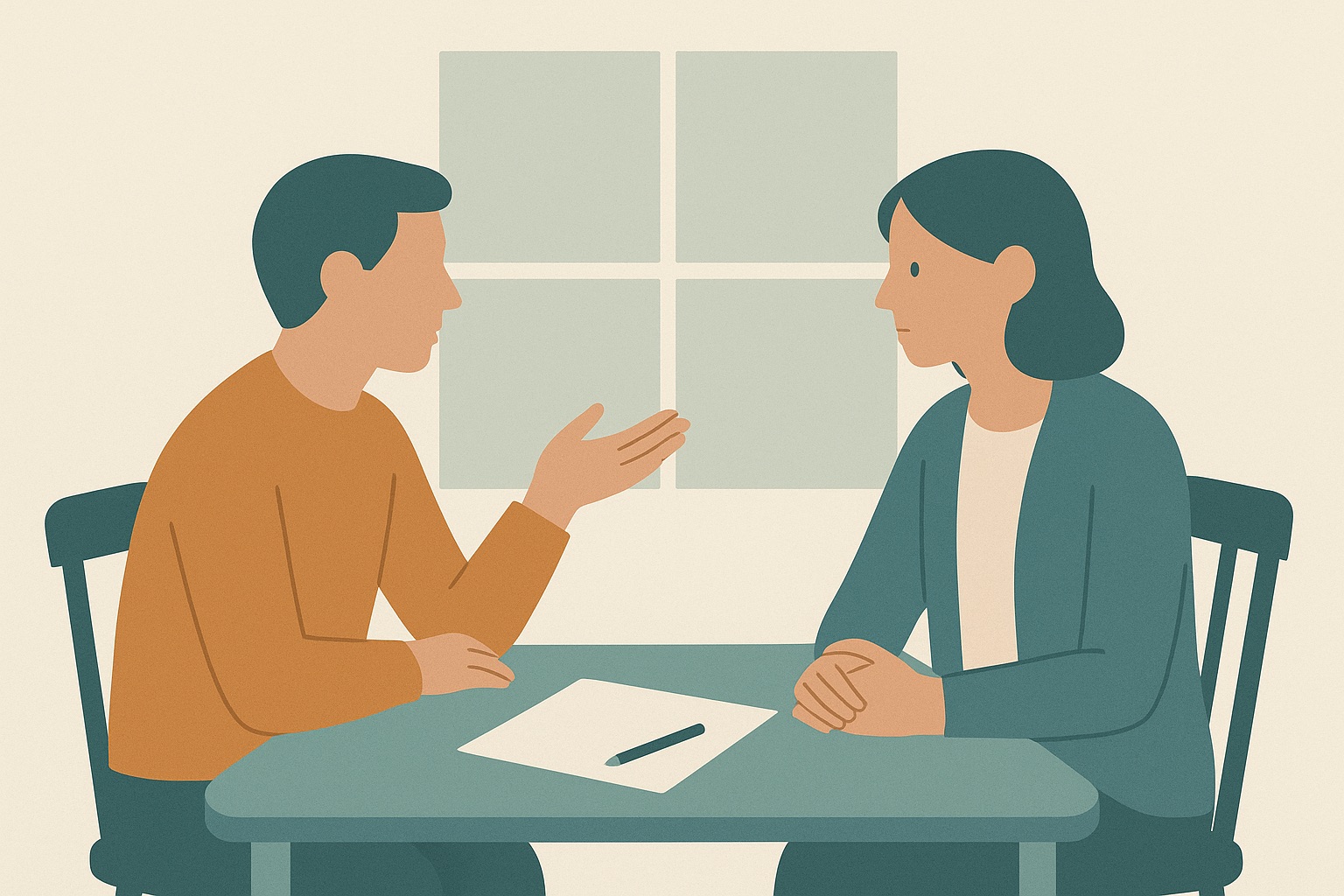
Bipolar disorder is a condition in which mood, energy and activity levels shift between two poles: elevated periods, and depressive ones. Between episodes, many people feel largely themselves. That is part of why it goes unrecognised for so long — the average gap between a first episode and a correct diagnosis is measured in years, not months, and the depressive side usually shows up first.
Bipolar symptoms: the elevated side
The signs of bipolar disorder divide into two groups, and most people only recognise one of them at first.
Manic episode symptoms
So what is a manic episode? Clinically, it is a distinct period of abnormally elevated or irritable mood plus increased energy, present most of the day nearly every day for at least a week, and severe enough to disrupt work, relationships or safety.
A manic episode is not simply a good mood. It is a sustained change, usually lasting at least a week, and it interferes with ordinary life. What people around the person tend to notice:
- Sleeping very little and not feeling tired
- Talking faster than usual, and being hard to interrupt
- Thoughts moving quicker than they can be spoken
- Unusual confidence, or plans that are out of proportion
- Spending, driving, or risk-taking that is out of character
- Irritability rather than euphoria — this is common and often missed
Hypomania symptoms
Hypomania is the same picture turned down. It is shorter, less disruptive, and does not involve a loss of contact with reality. It can feel productive and enjoyable, which is exactly why it often goes unreported — nobody books an appointment because they felt great for four days.
Bipolar symptoms: the depressive side
Bipolar depression is where most people spend the majority of their symptomatic time, and it is the phase that most often brings someone to therapy. Low mood, exhaustion, loss of interest, sleeping too much or too little, difficulty concentrating, and thoughts of not wanting to be here. On its own it looks like major depression, which is why an accurate history matters so much — our guide to the signs of depression covers the overlap.

Bipolar 1 vs bipolar 2
The distinction is simpler than it sounds. Bipolar 1 involves at least one full manic episode; depression is common but not required for the diagnosis. Bipolar 2 involves hypomania and at least one major depressive episode, with no full mania. Bipolar 2 is not the milder version — the depressive episodes are frequently longer and harder.
What tends to set off an episode
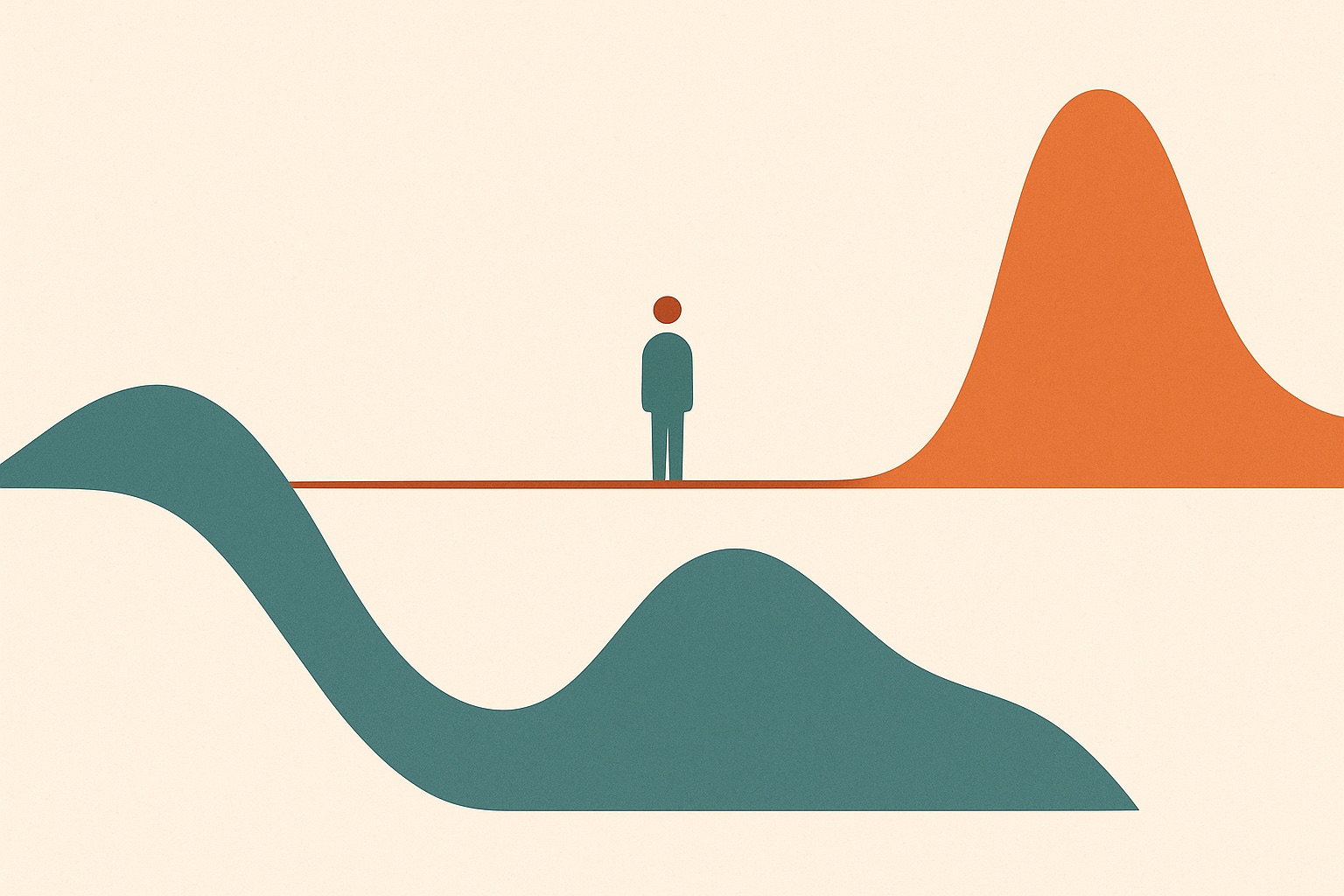
Triggers vary between people, but a few come up repeatedly: disrupted sleep, travel across time zones, stopping medication, major life stress, alcohol and other substances, and seasonal change. Tracking sleep alongside mood is one of the most useful things a person can do, because a run of short nights often precedes an elevated episode rather than following it.
How to help someone with bipolar disorder
Families frequently ask what their role is, and the honest answer is that it is a supporting one. What helps:
- Learn the early warning signs specific to this person, ideally written down together while they are well
- Agree in advance what you are permitted to say when you notice them
- Protect sleep as though it were medication
- Raise concerns about behaviour, not character
- Keep your own support in place; this is a long condition and burnout is real
What does not help is arguing someone out of an elevated episode. During mania, insight is often reduced, and a confrontation tends to become a fight about the confrontation.
If you are watching someone move through this, or living it yourself, a licensed therapist can help you build a plan for the next episode rather than only reacting to the last one. Request an intake appointment with ACT Family Counseling, in person in Southern California or by telehealth anywhere in California.
When to get support
Bipolar disorder is managed rather than resolved, and it is managed well by a great many people. Medication is usually prescribed by a psychiatrist or physician; therapy sits alongside it, working on episode recognition, sleep and routine, the fallout from past episodes, and the strain the condition puts on relationships. Our bipolar disorder counseling works with both the individual and, where it helps, the family around them. Our therapists include clinicians experienced with mood disorders.
We see people in person at our offices in Ontario, Rancho Cucamonga, Redlands, Huntington Beach and Newport Beach.
We are contracted with Kaiser Permanente, Aetna, Cigna, Anthem Blue Cross, Blue Shield of California, Health Net, TRICARE and Optum among others — see the plans we are contracted with. Our staff confirms your benefits before your first session.
Request an intake appointment or contact us with a question first — either is a normal way to start.
Clinical content reviewed by Nicholas Fittante, Licensed Marriage and Family Therapist (LMFT #27161).
This article is for general information and is not a substitute for individual clinical advice, diagnosis or treatment.
If you are in crisis or thinking about harming yourself, call or text 988 (Suicide & Crisis Lifeline) or go to your nearest emergency room.