

ADHD Symptoms in Adults: What It Actually Looks Like
Most adults who come to us about attention problems have spent years assuming they were simply disorganised, or lazy, or bad at the parts of life everyone else seemed to manage. ADHD in adulthood rarely looks like the childhood stereotype of a boy who cannot sit still. This is a guide to the ADHD symptoms in adults that actually bring people to a clinician, what changes when the diagnosis arrives late, and the practical adjustments that make the biggest difference.
Why adult ADHD gets missed
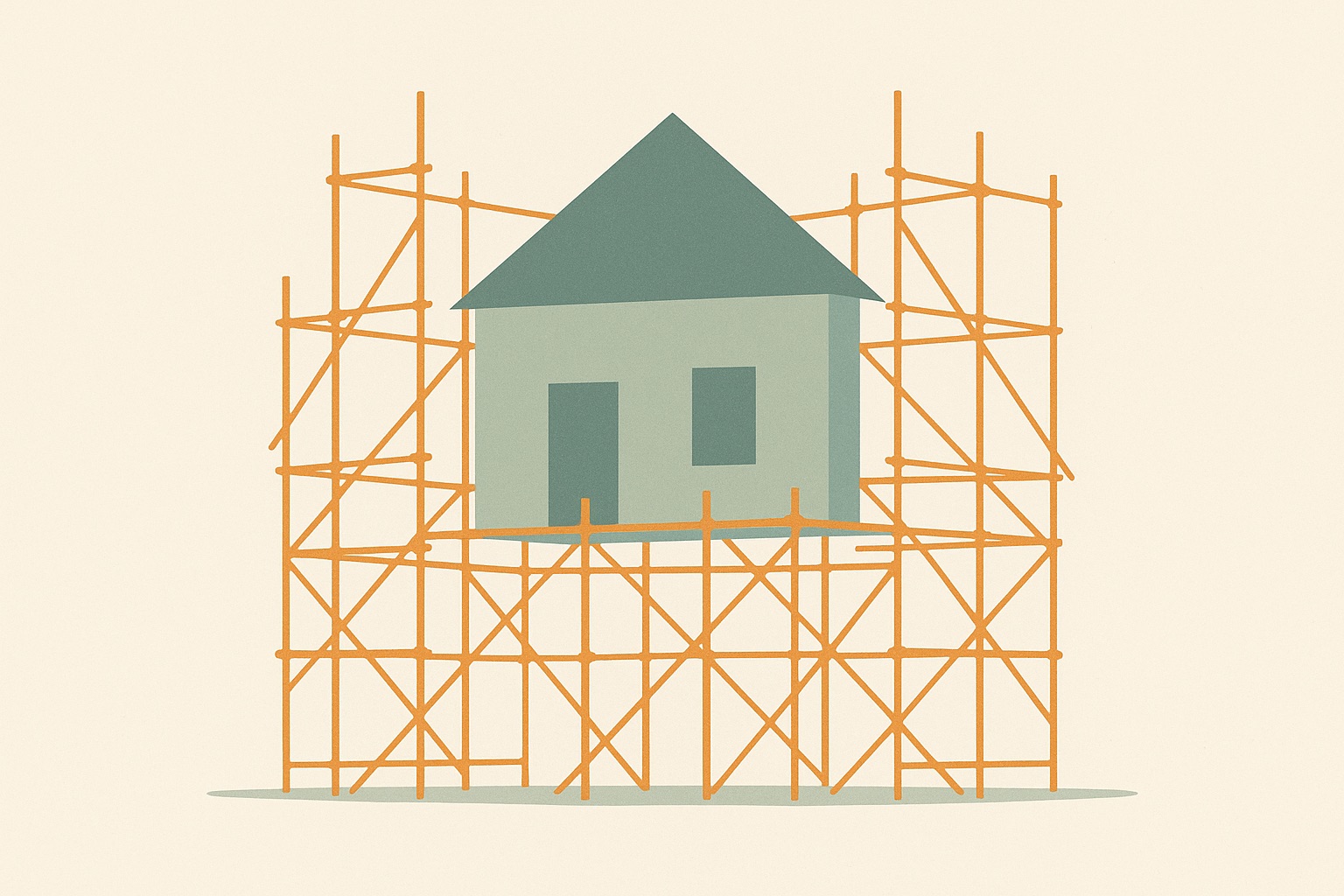
Hyperactivity tends to fade with age, or turn inward into restlessness that nobody else can see. What remains is the attention and executive-function side, which reads as a character flaw rather than a condition. Adults are also good at building scaffolding — lists, alarms, working late, apologising — and scaffolding hides the problem right up until the point it collapses under a promotion, a baby, or a change of job.
Adult ADHD symptoms: attention and executive function
- Starting well and stalling — the first ninety per cent is easy, the last ten is immovable
- Losing the thread in conversations, or re-reading the same paragraph repeatedly
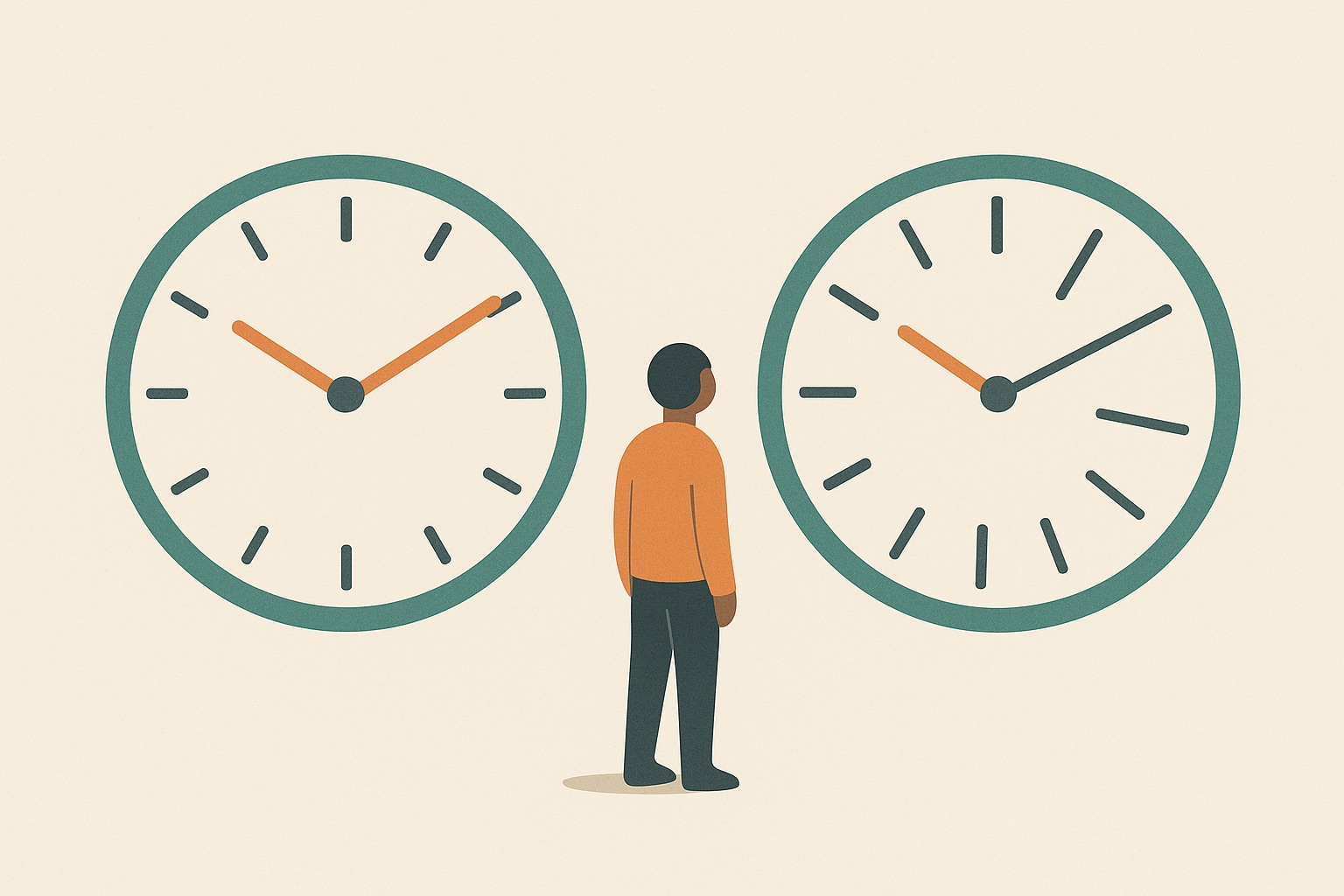
- Time blindness: a task that takes forty minutes reliably feels like ten
- Difficulty beginning tasks that are important but not urgent, even simple ones
- Deadlines as the only functioning motivator, and the exhaustion that follows
- Losing keys, phones, cards, appointments, threads of thought
- Hyperfocus — four uninterrupted hours on the wrong thing
Emotional and interpersonal symptoms
These are underrated and are frequently what does the real damage. Quick, intense emotional responses that pass as fast as they arrive. Low tolerance for frustration and for boredom. Sharp sensitivity to criticism or perceived rejection. Interrupting, or finishing sentences, and the awareness afterward that you did it again. Impulsive decisions — spending, quitting, saying the thing — that make sense for about four seconds.
Underneath a lot of it sits a long accumulation of small failures, which is why anxiety and low mood so often arrive alongside. If that is familiar, our guide to the signs of depression is worth a read.
Inattentive ADHD
Inattentive ADHD is the presentation without the visible hyperactivity, and it is the one most likely to reach adulthood undiagnosed. It looks like daydreaming, slow starts, quiet disorganisation and a lot of unfinished projects, rather than disruption. People with this presentation were usually described at school as bright but not applying themselves — a sentence a great many of our adult clients can quote from memory.
ADHD burnout
ADHD burnout is what happens when the scaffolding has been holding for too long. Compensating for executive-function difficulty is genuinely effortful, and the bill arrives as exhaustion, cynicism, and a sudden inability to do things you were managing last month. It is often mistaken for depression, and the two can certainly coexist, but the pattern is different: the capacity returns with genuine rest and reduced demand, rather than staying flat regardless.
Adjustments that actually help
- Externalise everything. If it is not written down or alarmed, it does not exist. This is not a moral failing; it is a working memory difference.
- Shrink the first step until it is almost insultingly small. Starting is the bottleneck, not doing.
- Body-double. Working alongside another person, in the room or on a call, is one of the most reliably effective things available and nobody knows why it works so well.
- Protect sleep and exercise. Both measurably affect attention, and both are the first things to go.
- Build in friction for impulsive spending and decisions — a waiting period, a second signature, a separate account.
A late ADHD diagnosis tends to bring relief and a fair amount of grief about the years before it. Both are worth talking through. Request an intake appointment with ACT Family Counseling, in person in Southern California or by telehealth anywhere in California.
Getting assessed and getting support
Two honest notes on how to treat ADHD. We do not carry out psychological or diagnostic testing; if you need a formal assessment we will refer you to a clinician who provides it. And medication, where it is appropriate, is prescribed by a physician or psychiatrist rather than by a therapist.
What therapy does is the rest of it, and there is a great deal of rest of it: building systems that suit how your attention actually works, unpicking years of self-blame, handling the emotional and relational side, and dealing with the anxiety or low mood that so often came along for the ride. Our ADHD counseling works with adults, teenagers and children, and our therapists include clinicians experienced with attention and executive-function difficulties.
We see people in person at our offices in Ontario, Rancho Cucamonga, Redlands, Huntington Beach and Newport Beach.
We are contracted with Kaiser Permanente, Aetna, Cigna, Anthem Blue Cross, Blue Shield of California, Health Net, TRICARE and Optum among others — see the plans we are contracted with. Our staff confirms your benefits before your first session.
Request an intake appointment or contact us with a question first — either is a normal way to start.
Clinical content reviewed by Nicholas Fittante, Licensed Marriage and Family Therapist (LMFT #27161).
This article is for general information and is not a substitute for individual clinical advice, diagnosis or treatment.
If you are in crisis or thinking about harming yourself, call or text 988 (Suicide & Crisis Lifeline) or go to your nearest emergency room.